Tuscan Wine Tours | Professional Driving Training for Car

Traffic Rules Training
Introduction to Traffic Rules Training
Traffic rules training is a structured course designed to teach drivers, learners, and road users the laws and regulations that control road safety and traffic flow. This course focuses on helping individuals understand how to behave responsibly on the road, follow legal driving practices, and reduce the risk of accidents. Traffic rules training is essential for anyone who wants to drive confidently, pass a driving theory test, or improve awareness of road safety standards.
Many accidents happen not because of poor driving skills, but because drivers ignore traffic rules or do not fully understand them. A traffic rules training course ensures that learners know the correct meaning of road signs, speed limits, lane discipline, and right-of-way rules. It also teaches drivers how to react in different situations, such as busy intersections, pedestrian crossings, and highway traffic.
This course is useful for new learners preparing for a driving license as well as experienced drivers who want to refresh their knowledge. It builds a strong foundation for safe driving by developing awareness, responsibility, and discipline.
Why Traffic Rules Training is Important
Traffic rules training is important because roads are shared spaces used by drivers, pedestrians, cyclists, and public transport vehicles. Without clear rules and proper understanding, road systems become dangerous and chaotic. Traffic rules exist to protect everyone and ensure the smooth movement of vehicles.
This training course helps drivers understand the purpose behind traffic laws, making it easier to follow them consistently. It also reduces confusion during driving, especially in busy areas where quick decision-making is required.
Traffic rules training plays a major role in accident prevention. When drivers know the correct rules, they avoid risky behaviors such as speeding, illegal overtaking, or ignoring traffic signals. This reduces the chances of collisions and saves lives.
Another important reason for traffic rules training is legal compliance. Many drivers face fines or license penalties due to a lack of awareness. This course helps learners avoid such problems by teaching correct and updated traffic regulations.
Understanding Road Signs and Their Meanings
Road signs are one of the most important topics covered in traffic rules training. Signs provide information, warnings, and instructions that drivers must follow. A traffic rules training course teaches learners how to recognize and understand all major types of road signs.
Warning Signs and Hazard Indicators
Warning signs alert drivers about potential dangers ahead, such as sharp turns, speed bumps, school zones, pedestrian crossings, or road narrowing. These signs help drivers reduce speed and stay prepared for sudden hazards. Traffic rules training ensures learners can quickly identify warning signs and respond safely.
Regulatory and Mandatory Signs
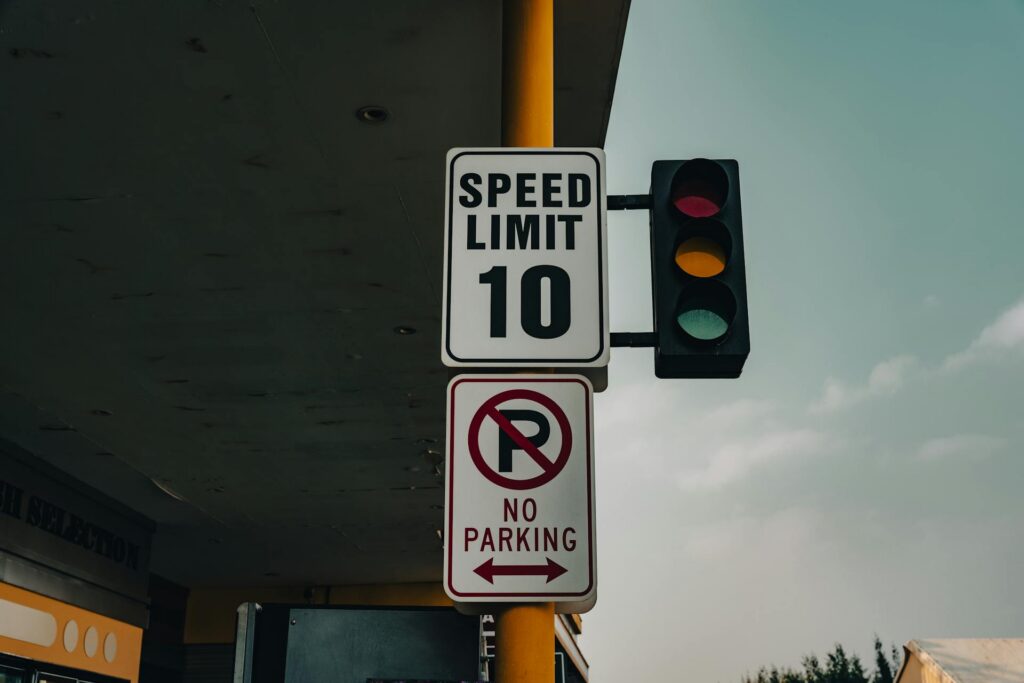
Regulatory signs provide legal instructions that drivers must obey. These include speed limits, stop signs, no-entry signs, no-parking signs, and lane restrictions. Ignoring regulatory signs can lead to serious accidents and legal penalties. This course trains learners to follow these signs strictly.
Directional and Information Signs
Directional signs guide drivers to locations such as highways, exits, hospitals, and city centers. Information signs may also indicate rest areas, fuel stations, and parking zones. Traffic rules training teaches learners how to read these signs quickly while driving without losing focus.
Speed Limits and Safe Speed Awareness
Speed limits are designed to keep traffic safe and prevent accidents. A traffic rules training course explains how speed limits vary depending on road type, traffic conditions, and environment. Learners understand the difference between residential speed limits, highway limits, and school zone restrictions.
The course also teaches that driving at the speed limit is not always safe. For example, in heavy rain or fog, drivers must reduce speed even if the speed limit allows faster driving. This training encourages drivers to match speed with visibility, road conditions, and traffic flow.
Learners also study the dangers of speeding, including reduced reaction time, longer stopping distance, and increased accident severity. This helps them understand why speed control is one of the most important road safety habits.
Lane Discipline and Road Markings
Lane discipline is a major part of traffic rules training. Proper lane use prevents confusion, reduces traffic congestion, and lowers accident risk. This course teaches learners how to stay within lane boundaries and change lanes safely.
Road markings such as broken lines, solid lines, double lines, and arrows are explained in detail. Learners understand when overtaking is allowed and when it is prohibited. They also learn how to follow lane arrows at junctions and roundabouts.
Traffic rules training also covers special lanes such as bus lanes, cycle lanes, and emergency lanes. Learners understand the rules for entering or avoiding these lanes and the penalties for misuse. Right-of-Way and Priority Rules
Right-of-way rules determine who has the legal priority in different traffic situations. Many accidents happen because drivers misunderstand priority rules at junctions, roundabouts, and pedestrian crossings. Traffic rules training teaches learners these rules clearly to avoid dangerous mistakes.
Learners study priority at intersections, including when to give way and when to proceed. They also learn about priority for emergency vehicles, buses, and pedestrians. The course emphasizes the importance of slowing down at junctions and checking both sides, even when the driver believes they have priority.
Understanding right-of-way rules improves driving confidence and reduces hesitation, especially in busy traffic areas where quick but safe decisions are required.
Traffic Signals and Safe Intersection Behavior
Traffic signals are critical for managing traffic flow, especially in cities. Traffic rules training explains how traffic lights work and what drivers must do at red, yellow, and green signals. Learners also understand the meaning of flashing lights and pedestrian crossing signals.
The course teaches learners how to approach intersections safely by reducing speed, observing surrounding traffic, and preparing to stop if needed. It also explains the dangers of jumping signals and how this behavior leads to major accidents.
Traffic rules training includes safe turning rules at intersections, including proper lane selection, correct signaling, and awareness of pedestrians. Learners also study how to handle intersections when traffic lights are not working, which requires careful observation and patience.
Pedestrian Safety and Crosswalk Rules
Pedestrian safety is a key part of traffic rules training. Roads are not only for vehicles, and drivers must respect pedestrian rights. This course teaches learners how to behave near crosswalks, school zones, and crowded public areas.
Learners understand when pedestrians have the right of way and how to stop safely at zebra crossings. The course also teaches drivers to remain alert for pedestrians crossing unexpectedly, especially children and elderly individuals.
Traffic rules training encourages drivers to reduce speed in areas with high pedestrian movement. It also explains the legal responsibility of drivers in pedestrian accidents, making learners more cautious and responsible.
Rules for Overtaking and Safe Passing
Overtaking is one of the most dangerous driving actions if done incorrectly. Traffic rules training teaches learners when overtaking is allowed and when it is illegal. Learners study the importance of checking mirrors, signaling properly, and ensuring enough space before overtaking.
The course explains overtaking restrictions near junctions, pedestrian crossings, sharp bends, and narrow roads. Learners also understand how overtaking should be done quickly and safely without blocking oncoming traffic.
Safe passing rules are also covered for highways, including using the correct overtaking lane and returning to the main lane smoothly. Understanding overtaking rules reduces accidents caused by reckless passing.
Parking Rules and Roadside Safety
Parking rules are often ignored, but illegal parking can create traffic blockage and accidents. Traffic rules training teaches learners where parking is allowed and where it is prohibited. This includes rules near intersections, fire hydrants, bus stops, and pedestrian crossings.
Learners also understand how to park safely on slopes, how to use hazard lights if necessary, and how to avoid blocking traffic flow. The course teaches the importance of checking surroundings before opening car doors, which helps prevent accidents with cyclists and passing vehicles.
Traffic rules training also covers no-parking zones, paid parking areas, and time-restricted parking regulations. Understanding these rules helps drivers avoid fines and drive responsibly.
Driver Responsibilities and Legal Compliance
Traffic rules training emphasizes that driving is a legal responsibility, not only a skill. Learners study the legal requirements for driving, including having a valid license, vehicle registration, and insurance coverage. They also learn the importance of carrying necessary documents while driving.
The course covers rules related to seatbelts, child safety seats, and helmet laws for motorbike riders. It also teaches strict regulations about mobile phone usage and distracted driving.
Learners also understand laws related to drunk driving and drug driving. Traffic rules training explains how these actions affect judgment, reaction time, and legal penalties, encouraging safer choices.
Benefits of Traffic Rules Training
Traffic rules training provides major benefits for both new and experienced drivers. It improves road awareness, reduces driving mistakes, and strengthens safe driving habits. Learners become more confident because they understand road signs, signals, and legal requirements clearly.
This course also helps learners pass theory exams required for obtaining a driving license. By understanding rules deeply, learners perform better in written tests and practical driving exams.
Traffic rules training also reduces accident risk. Drivers who follow traffic laws consistently are less likely to cause collisions or face dangerous road situations. This makes roads safer for everyone, including pedestrians and cyclists.
Conclusion and Long-Term Value of Traffic Rules Knowledge
A traffic rules training course is an essential part of becoming a responsible and confident driver. It teaches learners the laws and safety standards needed for smooth and secure driving. By understanding road signs, speed limits, lane discipline, priority rules, and pedestrian safety, drivers develop habits that protect lives and reduce accidents.
Traffic rules training is not only useful for passing driving tests, but also for long-term safe driving. It encourages discipline, awareness, and respect for other road users. With proper traffic rules knowledge, drivers can travel confidently, avoid legal trouble, and contribute to a safer road environment for everyone.